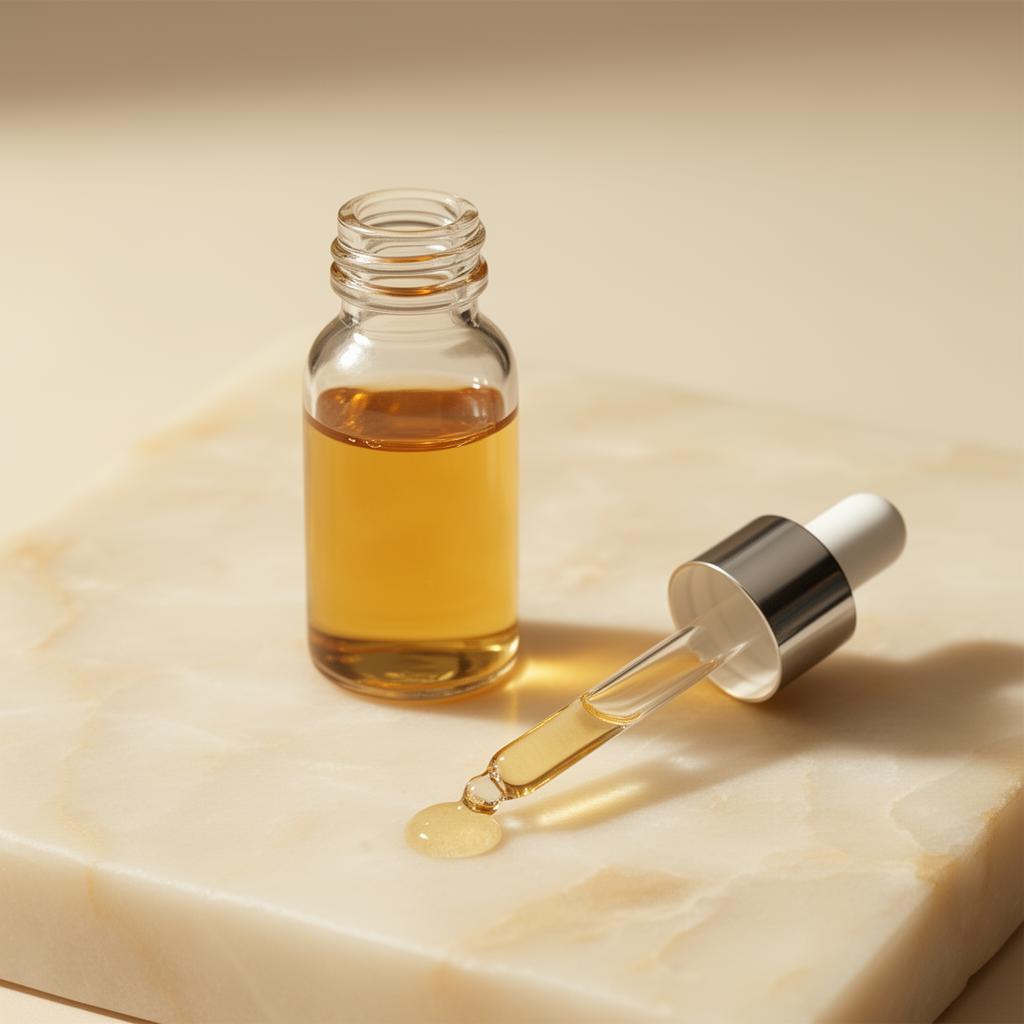
In sixteen years as a Registered Nurse — in observation units, cardiac units, medical floors — I watched the human body do something extraordinary every single day. It healed itself. A wound would close. Tissue would repair. Cells would regenerate. Not because of anything we did to force it, but because the body's own biological intelligence knew exactly what to do — given the right conditions.
That is the premise of regenerative skincare. Not forcing a result. Not tricking the skin into looking different. Creating the conditions in which the skin does what it was designed to do: repair, renew, and regenerate at the cellular level.
It sounds simple. It is actually a profound departure from how the skincare industry has worked for the past century.
What Regenerative Skincare Is — And What It Is Not
Conventional skincare — even the good conventional skincare, the kind with retinol and vitamin C and niacinamide — operates primarily at the surface. It improves how skin looks by managing what is visible: fine lines, dark spots, dullness, dehydration. The best conventional products do this well. The results are real. The limitation is that they are addressing the symptom rather than the source.
Regenerative skincare operates differently. Instead of forcing results through irritation or temporary plumping, regenerative skincare works at the cellular level, supporting the skin's own ability to repair, renew, and communicate efficiently. The goal is not just younger-looking skin — it is skin that behaves younger.
That distinction — behaves younger versus looks younger — is the one that changed how I practice.
When skin behaves younger, it produces collagen more efficiently. Its barrier function is intact. Its cell turnover is regular. Its inflammatory response is calibrated rather than chronic. Its communication between cells — the signaling that tells a fibroblast to produce collagen, that tells a keratinocyte to differentiate properly, that coordinates wound repair — is functioning the way it did when you were thirty.
Conventional skincare can improve the appearance of aging. Regenerative skincare addresses the biology of aging. Both matter. They are not the same thing.
The Science Behind Skin Regeneration
To understand regenerative skincare, you need to understand what actually happens in aging skin at the cellular level — because this is where the intervention occurs.
Healthy, youthful skin functions efficiently because cells communicate effectively. As we age — or when skin is compromised — this communication slows down. The result is not just visible aging. It is functional decline. The skin becomes less able to repair UV damage. Its barrier becomes more permeable. Collagen production decreases. Inflammatory signals that should be brief become chronic. The skin does not stop working — it works less efficiently, less responsively, and less intelligently.
Regenerative skincare intervenes at this level of cellular communication. The key biological mechanisms involved are:
Fibroblast activation. Fibroblasts are the collagen-producing cells of the dermis. In young skin they are active and responsive. In aging skin they become senescent — still present, but no longer producing collagen efficiently. Regenerative ingredients, particularly growth factors, peptides, and defensins, signal fibroblasts to resume their collagen-synthesizing function. This is not topical plumping. It is cellular reactivation.
Stem cell communication. Exosomes — extracellular vesicles 30 to 150 nanometers in size — have been discovered to be a primary form of communication between tissues. In regenerative skincare, stem cell-derived conditioned media and exosomes deliver these intercellular signals topically, instructing the skin's own stem cells to activate and differentiate into new, healthy skin cells.
Growth factor signaling. Growth factors are naturally occurring proteins that act as cellular messengers. They signal skin cells to stimulate collagen production, accelerate healing, and improve overall skin vitality — especially for aging or compromised skin. Topical growth factors in regenerative formulations mimic the body's own repair signals, accelerating the processes that slow with age.
Barrier restoration. The skin barrier — a complex lipid matrix in the outermost layer of the epidermis — is both the skin's primary protection against environmental stressors and a key regulator of the cellular environment beneath it. When the barrier is compromised, everything downstream suffers: inflammation increases, water loss accelerates, and the skin's regenerative capacity diminishes. Regenerative skincare treats barrier restoration not as a cosmetic goal but as a clinical prerequisite.
Why This Matters More for Women in Midlife
I want to speak directly to the women who read Belle Vie — because the biology of regenerative skincare intersects with the biology of hormonal transition in ways that most skincare brands do not address honestly.
Estrogen plays a direct role in skin structure. It stimulates collagen production, maintains skin thickness, supports barrier function, and regulates the skin's hydration levels. When estrogen declines — in perimenopause and menopause — skin does not simply age faster. It undergoes a structural change. Collagen content can decline by as much as 30 percent in the first five years after menopause. Skin becomes thinner, drier, more reactive, and less able to repair itself after injury or UV exposure.
This is not a cosmetic problem. It is a biological one. And it requires a biological response — not more surface-level moisturization.
Regenerative skincare is not a trend for women in midlife. It is the most clinically appropriate category of skincare for the specific biological changes happening in their skin. The ingredients that support fibroblast activity, barrier restoration, and cellular communication are addressing exactly what hormonal transition disrupts.
Conventional anti-aging skincare was largely designed by an industry that did not understand — or did not prioritize — the specific biology of the perimenopausal and postmenopausal skin. Regenerative skincare starts from a different premise: what does the skin actually need to function well? The answer to that question, it turns out, is the same at every stage of life — and dramatically more important in the years when hormonal support is declining.
The Market Is Growing Because the Science Is Real
I am not describing a fringe approach. The global regenerative aesthetics market was valued at $3.76 billion in 2025 and is projected to reach $7.15 billion by 2034, growing at a compound annual growth rate of 7.40%. North America leads the market, holding 43% of global market share in 2024, anchored by a mature private-pay aesthetic economy and a dense network of academic-industry collaborations.
This growth is driven by a fundamental shift in consumer preferences toward non-surgical, minimally invasive treatments that offer long-term wellness and natural outcomes. Women are not asking for more aggressive interventions. They are asking for more intelligent ones — treatments and products that work with their biology rather than against it.
A systematic review in Plastic and Reconstructive Surgery analyzed 147 studies on regenerative aesthetics, documenting consistent improvements in skin quality, texture, and appearance with proper treatment protocols. This is peer-reviewed science, not marketing copy.
The Four Technologies Powering Regenerative Skincare at Amata Lucè
In my practice at Amata Lucè, I work with four clinically validated technologies chosen specifically because each one represents a distinct regenerative mechanism with evidence behind it. I will explain each one — including what it is, how it works, and why I chose it — because understanding the technology is the only way to evaluate whether it belongs on your skin.
Stem Cell Conditioned Media — Epicutis
Epicutis is built around their patented TSC molecule — Tissue Specific Complexes — harvested from conditioned media of human stem cells. Conditioned media is the solution in which stem cells have been cultured: it contains the growth factors, cytokines, and exosome-like vesicles the cells released during culture. When applied topically, these molecules deliver the same intercellular signals the skin uses to coordinate its own repair processes.
Every Epicutis product is EWG Verified — independently tested for ingredient safety with full concentration transparency. It is formulated without parabens, synthetic fragrance, sulfates, and the other ingredients I write about in the Dirty Dozen series. The clinical evidence supports both its efficacy and its safety profile. This is what evidence-based regenerative skincare looks like.
DNA Repair Technology — ISDIN
ISDIN is a Spanish pharmaceutical company with 45 years of dermatological research. Their DNA Repairsomes technology uses photolyase — an enzyme that specifically repairs cyclobutane pyrimidine dimers, the DNA lesions created by UV radiation — encapsulated in a delivery system that penetrates to the level of skin cells where the damage occurs.
Topical growth factors such as EGF and transforming growth factor-beta can stimulate collagen synthesis, accelerate wound healing, and reduce the appearance of fine lines. ISDIN incorporates these mechanisms alongside their DNA repair technology, creating sunscreens and post-procedure products that do not just protect against further damage — they actively repair existing UV damage at the cellular level.
Their sunscreens are formulated to European regulatory standards, which require clinical evidence of efficacy across the full UVA and UVB spectrum and are meaningfully stricter than current U.S. SPF labeling requirements.
Defensin Technology — DefenAge
DefenAge is based on Age-Repair Defensins — a class of peptides that activate the skin's own Lg R5 stem cells, the same stem cells responsible for generating new skin cells throughout life. The technology emerged from published research at Princeton University on adult stem cell activation. When defensins signal these stem cells, the skin responds by generating new, healthy cells — not by forcing existing damaged cells to behave differently.
What I particularly value about DefenAge for my clients is that their formulations contain no human growth factors. This matters clinically for women with a history of cancer or hormone-sensitive conditions, for whom growth factor exposure in any form warrants caution. DefenAge achieves regenerative results through a different biological pathway — one that is appropriate for a broader population.
Bovine Colostrum-Derived Exosomes — Purasomes
Purasomes represent the most advanced exosome technology I use at Amata Lucè — and the one that requires the most careful, honest explanation, because exosomes as a category are both genuinely revolutionary and genuinely misunderstood.
Purasomes are a combination of 20 billion high-purity exosomes and 20 growth factors derived from organic bovine colostrum — the nutrient-dense first milk produced after birth — manufactured by DermoAroma in Italy using AMPLEX Plus technology. The full formulation also includes high and low molecular weight hyaluronic acid, pomegranate seed stem cells, a stable Vitamin C derivative, antioxidants, and peptides. This is not a single-ingredient product. It is a comprehensive regenerative complex.
Why bovine colostrum — and why it matters
The source of an exosome product is one of the most important clinical distinctions in this category. The FDA classifies human-derived exosomes as biologic drugs and has not approved their use in aesthetic treatments including microneedling and injectables — and has issued formal warnings to clinics using them in procedures. Bovine colostrum-derived exosomes like Purasomes occupy a meaningfully different regulatory position for topical use, and are selected by clinicians precisely because they minimize the risk of disease transmission associated with human-derived alternatives while closely resembling human cell components in their signaling properties.
At Amata Lucè, Purasomes are used topically — applied to the skin during or immediately following microneedling, where the microchannels created by the treatment allow significantly deeper penetration of the exosome complex to the dermal level where fibroblasts and stem cells reside. This is the appropriate, evidence-informed application method. It is how the technology was designed to be used.
What the clinical evidence shows
A comprehensive review published in PMC examining 34 studies on exosomes in cosmetic dermatology identified that microneedling combined with exosome application significantly improved skin aesthetics compared to microneedling alone — including improvements in collagen content, wrinkle reduction, elasticity, hydration, and dyspigmentation over 12 weeks. The science is real and the results in my practice confirm it.
I will also say what honest clinicians acknowledge: long-term studies on exosome therapies are still ongoing. This is an emerging technology with a promising and rapidly growing evidence base — not a fully mature one. I chose Purasomes because the formulation is transparent, the source is clinically appropriate, the manufacturing is pharmaceutical-grade, and my clients' results have been consistent. But I tell every client the same thing I am telling you now: this is the leading edge of regenerative medicine, and the science will continue to develop. That is not a reason to avoid it. It is a reason to receive it from a clinician who understands the biology and is watching the evidence closely.
What Regenerative Skincare Looks Like in Practice
Translating this science into a daily skincare approach requires clarity about what you are actually trying to accomplish — and honesty about what each product does.
A regenerative skincare protocol at the basic level includes:
Barrier-first cleansing. The cleanser is not the treatment — it is preparation. A gentle, non-stripping cleanser that maintains the skin's pH and does not disrupt the lipid matrix. Skin that is barrier-compromised after cleansing cannot receive regenerative ingredients effectively.
Active regenerative serum. This is where the meaningful work happens. A serum containing stem cell conditioned media, defensins, growth factors, or a combination of regenerative peptides applied to clean, slightly damp skin. This is the investment piece — the product where concentration and formulation integrity matter most.
Barrier support. A moisturizer containing ceramides — the lipids that form the structural backbone of the skin barrier — applied to seal in the actives and restore barrier function. Ceramides are structurally identical to the lipids the skin produces naturally. This is not luxury moisturization. It is clinical barrier maintenance.
Broad-spectrum mineral SPF daily. Exosomes from stem cells have been shown to be particularly effective in promoting healing after procedures like laser therapy or microneedling, as they can accelerate skin regeneration. All of that regenerative work is undone by unprotected UV exposure. Zinc oxide or titanium dioxide — the only two sunscreen active ingredients the FDA has proposed as GRASE — applied every morning, reapplied as needed. Non-negotiable.
The Question I Get Asked Most Often
Is this just expensive moisturizer with better marketing?
It is a fair question — and for many products marketed as regenerative, the honest answer is yes. The term "regenerative" has no regulatory definition. Any company can put it on any package.
The way I distinguish real regenerative skincare from marketing is the same way I evaluate any clinical claim: show me the study. Where was it published? How many participants? What was measured? What were the results? Was it peer-reviewed?
Epicutis, ISDIN, DefenAge, and Purasomes can all answer those questions with published data and transparent formulation practices. Most products using the word "regenerative" cannot.
Your skin deserves the same evidence-based standard you would demand for any other aspect of your healthcare. Ask for the study. If the company cannot provide it, keep looking.
Where to Start
If regenerative skincare is new to you — or if you have been using conventional products that no longer feel like they are working the way they used to — the starting point is a skin assessment, not a product purchase.
What your skin needs depends on the state of your barrier, your specific concerns, your hormonal status, your existing product routine, and a dozen other variables that a good clinician can identify and a product label cannot.
At Amata Lucè in Burke, Virginia, every client relationship begins with a complimentary consultation — not a sales conversation, but a clinical assessment. What is actually happening in your skin? What does the biology tell us? What is the most intelligent intervention, not just the most impressive one?
That is regenerative thinking applied to the conversation, not just the treatment.
This article is written for educational and informational purposes only and does not constitute medical or dermatological advice. Regenerative skincare approaches and technologies — including exosome therapies — are evolving rapidly and the information presented reflects published research and clinical practice as of the date of publication. Exosome products occupy an evolving regulatory landscape; consult a licensed healthcare provider regarding appropriate use. Individual skin conditions, hormonal status, and health history vary significantly. Consult a licensed healthcare provider or board-certified dermatologist before beginning any new skincare regimen, particularly if you have a diagnosed skin condition, a history of cancer, or are pregnant or nursing. The brands and technologies mentioned — Epicutis, ISDIN, DefenAge, and Purasomes — are used at Amata Lucè™ based on Gloria Dawit-Puri's clinical evaluation criteria. This does not represent a paid endorsement. Product formulations are subject to change — always review current ingredient lists before use.
References
On the Definition and Science of Regenerative Skincare
- Art of Skin Care. "Regenerative Skincare: How Growth Factors, Stem Cells & Exosomes Are Changing the Future of Skin Health." March 2, 2026. artofskincare.com
- Comfort Zone Skin. "Regenerative Skincare: Sustainable Beauty in a Changing Climate." April 23, 2025. us.comfortzoneskin.com
- Zensa Skin Care. "Regenerative Skincare: The Science Behind Radiant, Youthful Skin." January 22, 2025. zensaskincare.com
On Regenerative Medicine Applied to Skin — Peer-Reviewed Sources
- Taub AF. "Regenerative Topical Skincare: Stem Cells and Exosomes." Frontiers in Medicine. 2024. PMC Article PMC11518787. pmc.ncbi.nlm.nih.gov
- Dutra Alves et al. "Advances in Regenerative Medicine-Based Approaches for Skin Regeneration and Rejuvenation." Frontiers in Bioengineering and Biotechnology. 2025. frontiersin.org
On Growth Factors, Fibroblasts, and Cellular Signaling
- He et al. "Topical Growth Factors Including EGF and TGF-β Stimulate Collagen Synthesis, Accelerate Wound Healing, and Reduce Fine Lines." In: Dutra Alves et al. 2025.
- Prasai et al. "Exosomes Accelerate Skin Regeneration Following Microneedling and Laser Therapy." In: Dutra Alves et al. 2025.
On the Regenerative Aesthetics Market
- Precedence Research. "Regenerative Aesthetics Market Size to Hit USD 7.15 Billion by 2034." October 2025. precedenceresearch.com
- Face Beauty Science. "Why Regenerative Aesthetics Are Transforming Skincare." August 2025. facebeautyscience.com
- Precedence Research. "Regenerative Aesthetics Market Analysis & Opportunities." October 2025. precedenceresearch.com
On Exosome Technology — Purasomes and Clinical Evidence
- InsightAce Analytic. "Regenerative Aesthetics Exosome Products Market." November 2025. insightaceanalytic.com
- Dermatology Cosmetic Lab. "Purasomes Exosomes." dermatologycosmeticlab.com
- Aestha Clinic. "Purasomes and Exosome Treatments." March 19, 2025. aestha.co.uk
- Marie Claire UK. "Exosomes Are the Biggest Breakthrough in Regenerative Skincare for Decades." November 24, 2025. marieclaire.co.uk
- National Geographic. "Exosomes Are the Latest 'Miracle' Skincare Ingredient — But Do They Work?" October 2, 2025. nationalgeographic.com
- PMC. "Clinical Applications of Exosomes in Cosmetic Dermatology." PMC11608875. pmc.ncbi.nlm.nih.gov
- Allure Aesthetics. "What Are Exosomes? The Best Current Evidence (2025)." September 21, 2025. allureaestheticsllc.com
On Zinc Oxide and Titanium Dioxide as GRASE Sunscreen Filters
- U.S. Food & Drug Administration. "Questions and Answers: FDA Posts Deemed Final Order and Proposed Order for OTC Sunscreen." fda.gov
This article is written for educational purposes and does not constitute medical advice. Consult a licensed healthcare provider for diagnosis and treatment. Sources available below.